












































































What Do Graduation Medals Represent?

Key Takeaways
- ‣ Graduation medals and medallions recognize academic achievement, from honor roll to valedictorian.
- ‣ Latin honors rank summa cum laude first, magna cum laude second, and cum laude third.
- ‣ Honor cords, graduation stoles, and honor medallions each signal a different kind of recognition, and each school sets its own rules.
- ‣ Metal, finish, and ribbon decide how a graduation medal looks and how well it holds up, and schools can order graduation award medals in bulk with full personalization.
Planning medals for an upcoming graduation ceremony? Get a free quote on custom graduation medals and see proofs before you order.
What Do Graduation Medals Represent?
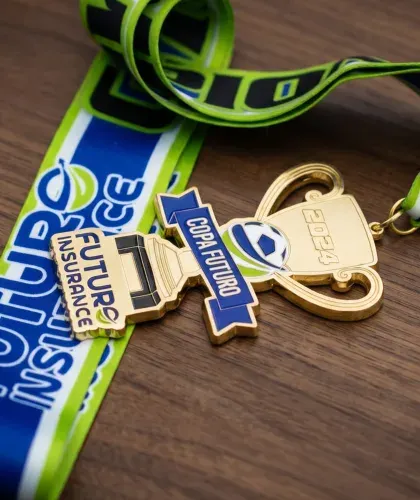
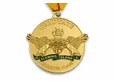
A graduation medal is a wearable award, usually a metal medallion on a neck ribbon, that a school gives a graduate to recognize a specific achievement. Graduation medals mark honors like valedictorian, Latin honors, honor roll, and leadership, and they give students something to hold onto long after the diploma gets filed away in a drawer.
Custom metal medallions gifted during graduation are a small, wearable trophy. A graduation medal tells everyone at the ceremony that this student did something worth noticing. That could be perfect grades, leadership, or showing up every single day with a good attitude, which honestly deserves a medal too.
Most academic honor medals recognize students who reached a set standard, like honor roll, academic excellence, or a strong GPA held over several semesters. Other graduation medals recognize leadership, citizenship, or classroom achievements that don’t always show up on a report card.
What Medals Do You Get at Graduation?
The medals a student gets at graduation depend on the school, but most programs draw from the same set of awards:
- Valedictorian medal: the highest-ranked student in the graduating class
- Salutatorian medal: the second-ranked student
- Latin honors medallions: summa cum laude, magna cum laude, and cum laude
- Honor roll and academic excellence medals: students who met a GPA standard
- Top Ten and Honor Graduate medals: class-rank recognition beyond the top two
- Scholar Athlete medals: strong grades alongside varsity sports
- Leadership and citizenship medals: student government, service, and character awards
- Preschool, Pre-K, and kindergarten graduate medals: milestone medals for every child in the class
Which Is Higher: Summa, Magna, or Cum Laude?
Summa cum laude is the highest of the three Latin honors, magna cum laude is second, and cum laude is third. Each tier reflects how high a student’s GPA landed, and each school sets its own GPA cutoffs. Colleges use these terms constantly, and many high schools borrow them for honor medallions.
Valedictorian and Salutatorian Medals
The valedictorian medal goes to the highest-ranked student in the graduating class. The salutatorian medal, or salutatorian medallion, goes to the student who finished second. Valedictorian and salutatorian medals are usually engraved with the graduation year and school name, so they work as both a keepsake and a trophy.
Graduation Medal vs. Graduation Medallion: Is There a Difference?
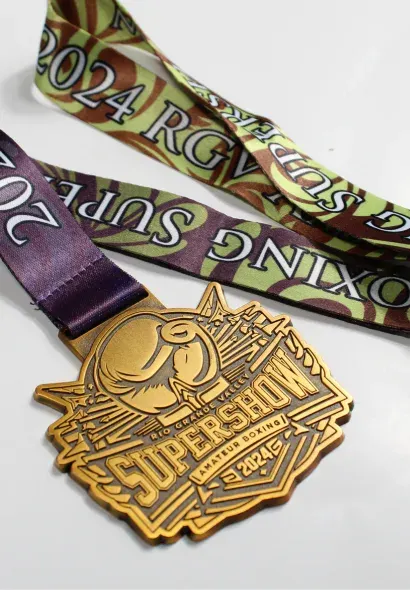
“Graduation medal” and “graduation medallion” usually mean the same thing: a metal award worn on a neck ribbon at commencement. Some schools say “medallion” for the larger ceremonial piece and “medal” for smaller awards. Either way, the same choices drive the result: metal, finish, size, and ribbon.
Honor Cords, Graduation Stoles, and Medals: How Do They Work Together?
Honor cords and graduation stoles work alongside graduation medals, not instead of them. A student might wear an honors medallion on a gold ribbon, honor cords from the National Honor Society or the National Society of High School Scholars, and a cap and gown in the school colors, all at once.
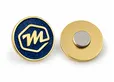
Honor cord colors mean different things depending on the school. Gold usually points to the highest honors. Some schools skip cords entirely for smaller honors and use custom branded lapel pins instead, especially for classroom achievements or citizenship awards. Academic regalia gets specific once you start looking closely, and every school has its own rulebook.

Graduation Medals at Every Stage, From Preschool to College

Graduation medals aren’t just for college. Preschool and kindergarten graduation ceremonies use them just as often, usually with a simpler design and a lower cost per piece. Some early-grade graduation medals are made from acrylic or PVC rubber to keep costs down.
Elementary and middle school programs tend to give custom medals for student achievement, leadership, and citizenship rather than strict GPA cutoffs. High school is where Latin honors medallions start showing up more, alongside honor roll medals for students who kept their grades up all year.
College graduation medals often represent years of work, from student organizations and volunteer programs to honor societies. A laurel wreath border or a Lamp of Knowledge emblem shows up often in college regalia, since both symbols have stood for learning for a very long time.
What Makes a Quality Graduation Medal?
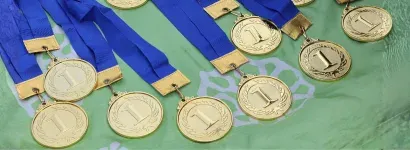
A quality graduation medal comes down to three things: the base metal, the finish, and the ribbon. If you’re comparing custom medals for an upcoming ceremony, all three affect price and durability.
Metal, Finish, and Ribbon Choices
Most graduation medals are cast from zinc alloy, then plated. A 24KT bright gold or 24KT satin gold plate gives a medal the traditional gold look, while a bronze finish works well for specialty awards. Neck ribbons come in nearly any color, and gold is one of the most requested for graduation.
A graduation medal with a solid brass or iron base weighs more and feels more traditional in hand than zinc. Brass in particular is a more expensive base metal, so both options raise the final price. If keeping costs down is a priority, zinc alloy is usually the better choice.

Personalization, Custom Engraving, and Packaging
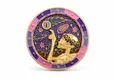
Custom engraving and stamping can add the school name, graduation year, or a short phrase directly to a graduation medal. Soft enamel color fill, 3D die-struck relief, or printed color can add a laurel wreath, a Lamp of Knowledge, or the school crest, so the medal feels made for your program instead of pulled from a catalog.
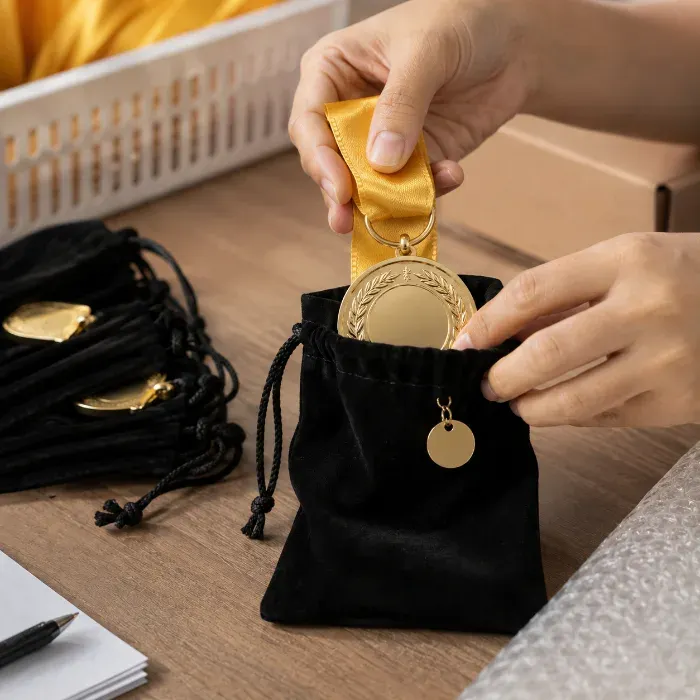
Standard graduation medals from The Monterey Company ship individually packed in poly bags to prevent scratches in transit. Upgrades include black velvet drawstring bags, velvet presentation boxes, wooden boxes, and printed cardboard boxes.
Ready to order graduation medals for your school? Get a free quote and see how simple custom orders can be.
How Do Schools Order Graduation Medals in Bulk?
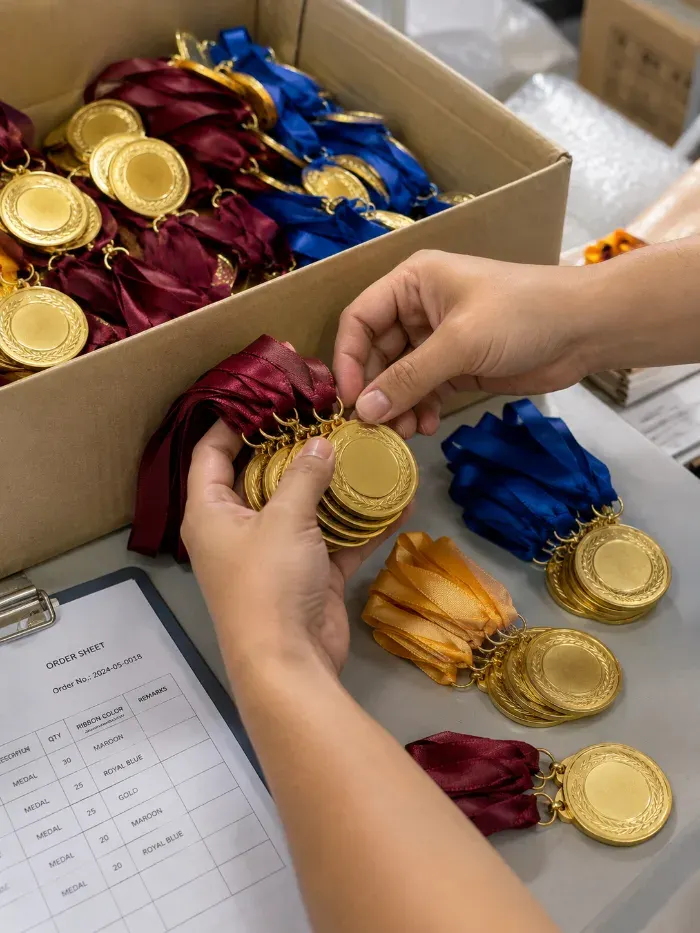
Schools ordering graduation medals for a whole class usually want volume pricing, and most orders qualify once they cross a set quantity. The Monterey Company has made custom medals in Bend, Oregon since 1989 for schools, honor societies, and student organizations.
The Monterey Company’s minimum is 50 medals per design, which fits smaller graduating classes or a single honor society chapter. Smaller runs are often possible depending on the design and timing, so ask even if your class is under 50.
Buyers don’t always walk in knowing what they need. Hands-on service from real people, plus design proofing and guidance, matters more than a fast checkout button when you’re ordering 50 or 100 medals against a fixed graduation date. Because ceremonies repeat every year, reorder support keeps next year’s medals consistent with the original design, down to the ribbon color. The same process covers bulk medals for events like 5K fundraisers, where every finisher receives one.

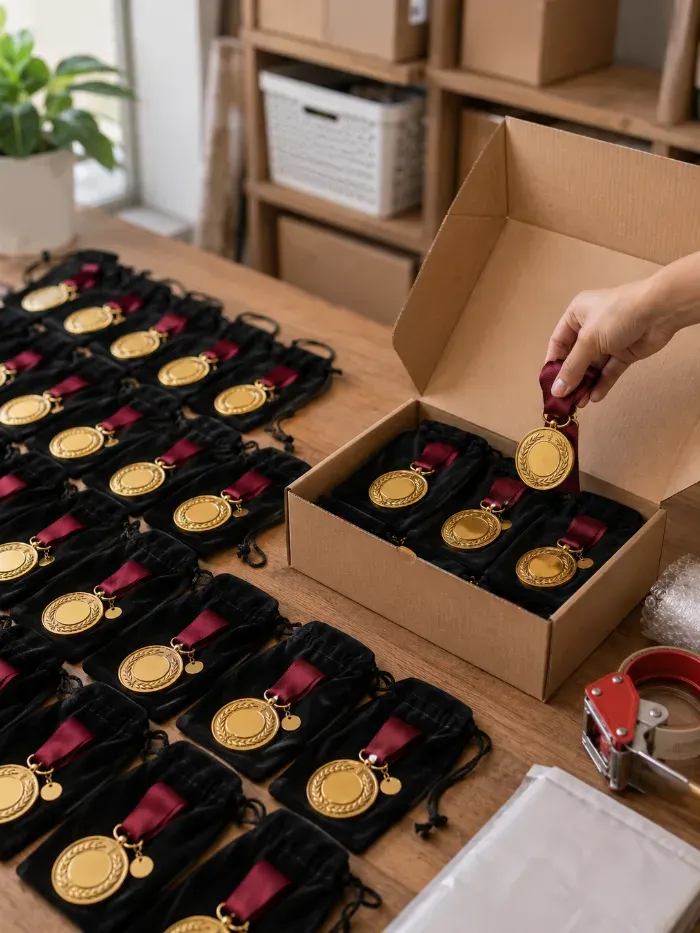
Whatever the milestone, whether kindergarten, high school, or a college degree, a well-made graduation medal turns one afternoon into something a graduate can pull out of a drawer twenty years later and remember exactly why they earned it. And if your school has boxes of old medals sitting around from past ceremonies, our guide on what to do with old medals covers some good options too.

Eric Turney
Eric Turney A devoted father, football fanatic, and stand-up comedy enthusiast who loves nothing more than bringing people together over great food and a good time. When he’s not cheering on his favorite team or experimenting in the kitchen, you can find him connecting with others on LinkedIn

 Coins & Medals
 Corporate Gifting & Events
 Custom Labels & Accessories
 Everything Keychains
 Headwear
 Holidays