


































How To Sew Patches To Hats: The Right Way

Key Takeaways
- ‣ Sewing patches on hats holds up longer than iron-on patches for hats because stitching survives washing and weather that adhesive can’t.
- ‣ Thread and needle choice (polyester thread, heavy-duty needle, size 10 needle) depends on the patch and hat material.
- ‣ Patch size and placement can change by hat style, from front-panel baseball caps to structured beanies and bucket hats.
- ‣ The Monterey Company backs every order with an artwork proof, low minimums, and reorder support.
Ready to turn your logo into something people will actually wear? Request a Free Quote and get an artwork proof before anything goes into production.
Why Sewing Patches on Hats Still Beats Iron-On Patches
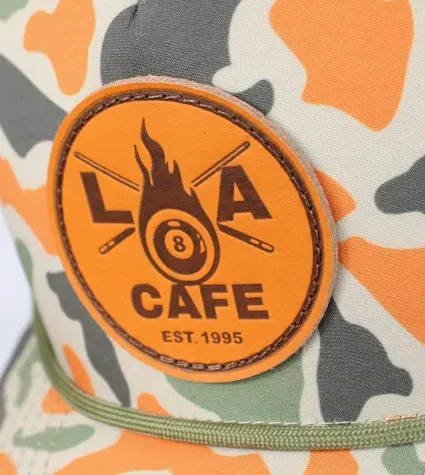
If you’re wondering why sewing patches on hats works better than iron-on patches, it comes down to one thing: hold. Stitching keeps a patch attached through years of washing, weather, and daily wear that adhesive backing just can’t survive. Why trust me? At The Monterey Company, we have run custom hat patches through real sewing machines and embroidery machines for over 35 years, backed by 1,000+ five-star reviews, so we’ve seen which methods actually last.
Sewing gives you more placement flexibility than iron-on backing, especially on thick seams or structured hat panels where heat and pressure can be difficult to apply evenly.
What You’ll Need Before You Start
You can hand-sew patches onto hats, and for just one or two hats, that can be the easiest option. It takes more time, though, so for larger runs we recommend using a raised-bed sewing machine (or post bed). At The Monterey Company, we use the PFAFF 591 for this type of work. Another popular machine is the Consew 228R-11-1.
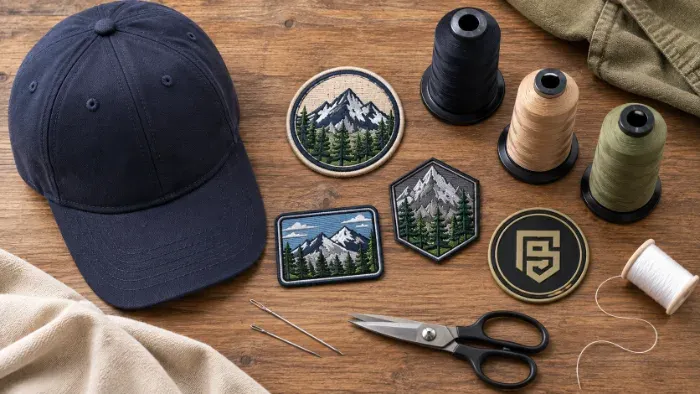
This article will focus more on sewing hat patches with that style of machine. You can also use an embroidery machine to attach patches to hats. This video shows one method: https://www.youtube.com/watch?v=hFiCqI3JxrA
Thread matters more than people expect. Polyester thread holds up well for outdoor gear, while PVC and leather patches often need a thicker, heavier-duty thread to sew cleanly through the patch and hat. Cotton thread can give a softer look on lighter fabrics. Pick a thread color that complements both the patch and the hat, so the stitching looks intentional instead of out of place.
Placement Depends on the Hat
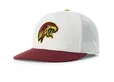
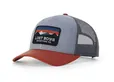
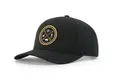
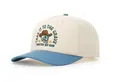
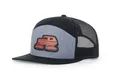
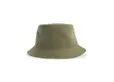
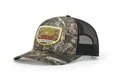
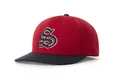
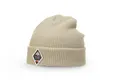
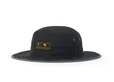
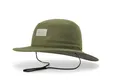
Front-panel placement gets the most visibility, which is why most custom baseball caps and dad hats use it. But side-panel placement, back placement, and cuff placement all have their place, especially on beanies, bucket hats, boonie hats, and camo hats, where the hat crown curves differently than a structured cap.
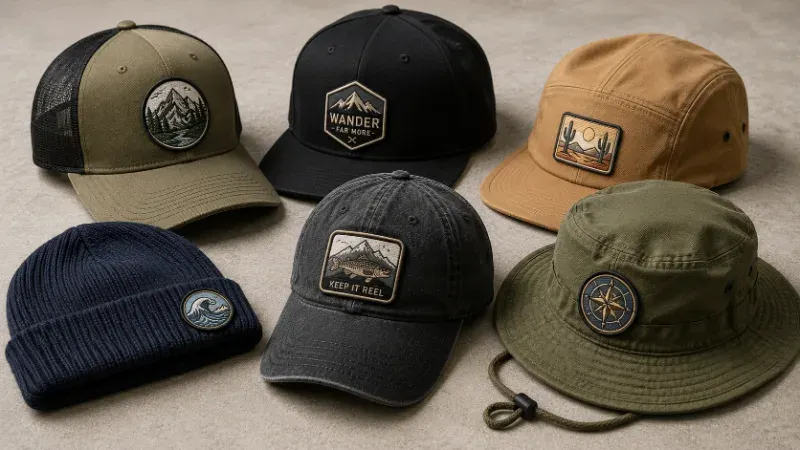
Mesh fabric and knit fabric behave differently under a needle. If you’re not sure how a material will hold up, test your placement on a scrap piece first.
Sewing the Patch On
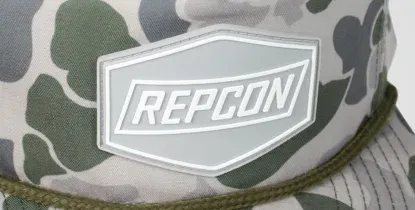
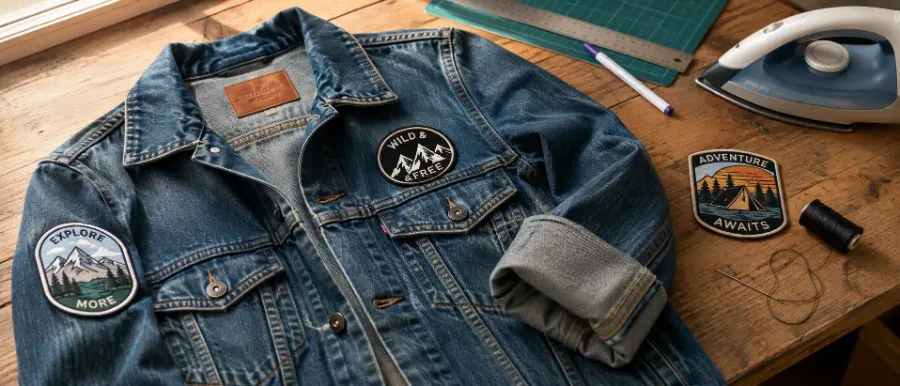
Center the patch and secure it before you start sewing. Pins work, but double-sided tape is often easier and keeps the patch from shifting as you move around the hat. You can also ask your patch manufacturer to add an adhesive backing, which helps hold the patch in place while you sew.
We typically sew along the inside edge of the patch border rather than the very outside edge. Lower the presser foot and stitch slowly around the patch, adjusting the hat as needed to follow the shape. Use a backstitch at the beginning and end so the thread does not work loose over time. For one or two hats, hand sewing is fine, but a sewing machine or embroidery machine is much faster for larger runs.
PVC hat patches are typically made with a sewing channel around the border, giving the needle a thinner area to pass through. Without that channel, the thicker rubber material can be much harder to sew through cleanly. On an embroidery machine, underlay stitches (tree underlay or a simple outline fill) flatten the cap surface first, so the hoop moves smoothly and the finished patch doesn’t pucker.
Skip the DIY patch setup and let The Monterey Company handle your custom patches for hats, with free proofing and consistent reorders built in.
Why Businesses Choose The Monterey Company
Sewing patches on hats at scale is a different job than a one-off DIY project, and that’s where The Monterey Company comes in. We offer a wide product range under one roof, hands-on service from real people, and strong proofing and design guidance on every order.
Every order starts with an artwork proof, so nothing moves to production until you’ve signed off with artwork approval. Our design guidance team helps you land on the right mix of custom branded merchandise, from custom logo hats to personalized metal keychains, with low minimums that work for small runs and reorder support that keeps things consistent when bulk orders come around again.
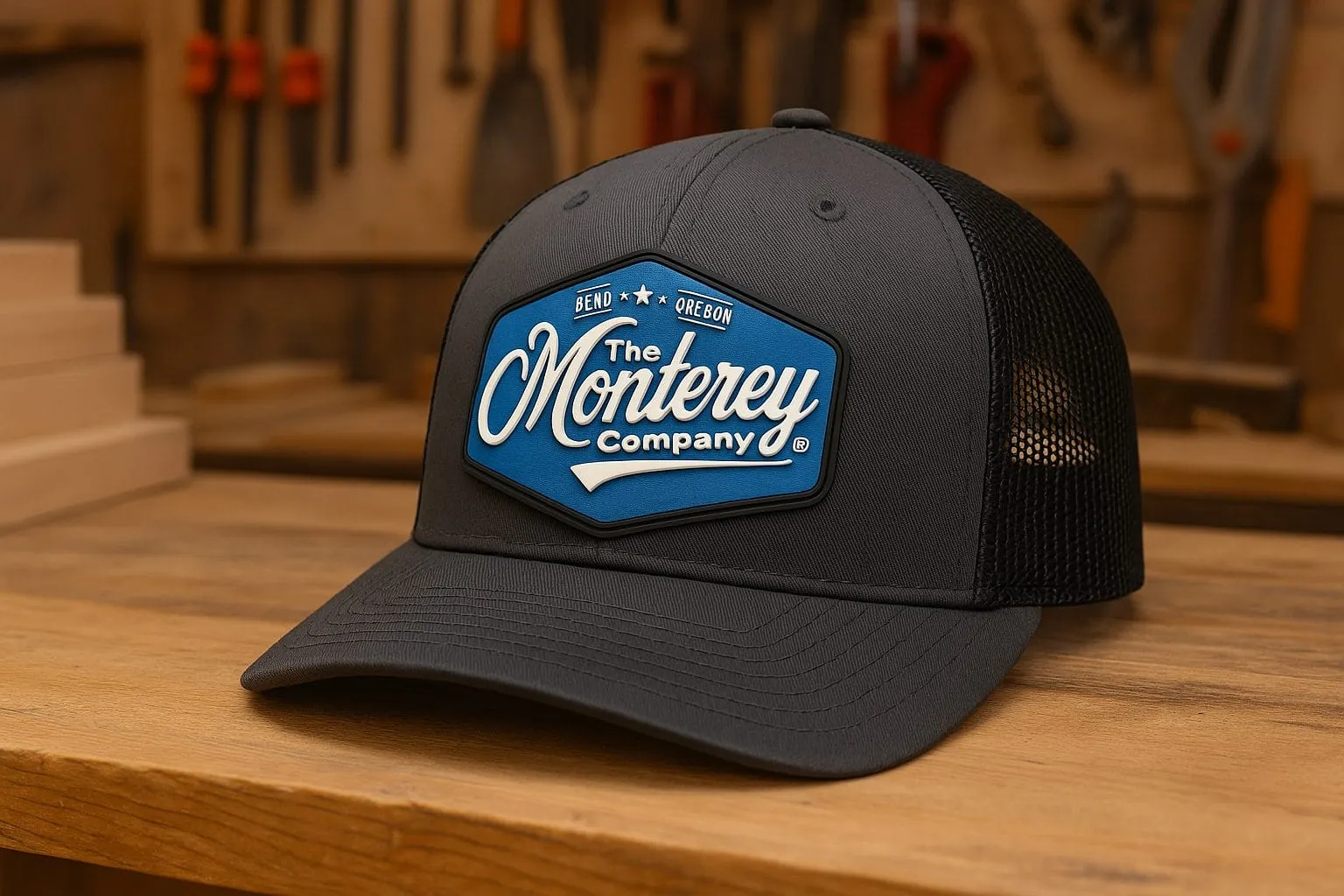


B2B ordering is straightforward too. We work with schools chasing school spirit, teams building team pride, companies handling employee recognition, nonprofits running fundraising campaigns, and public safety groups outfitting their crews. Whether you need company stores stocked, event merchandise for a one-time push, or retail merchandise built to last, the process focuses on getting it right the first time.
Sewing patches on hats is simple once you know the steps. Getting it right at volume, though, that’s where experience pays off. It’s the difference between a hat that looks assembled and one that looks intentional.

Eric Turney
Eric Turney A devoted father, football fanatic, and stand-up comedy enthusiast who loves nothing more than bringing people together over great food and a good time. When he’s not cheering on his favorite team or experimenting in the kitchen, you can find him connecting with others on LinkedIn

 Coins & Medals
 Corporate Gifting & Events
 Custom Labels & Accessories
 Everything Keychains
 Headwear
 Holidays